

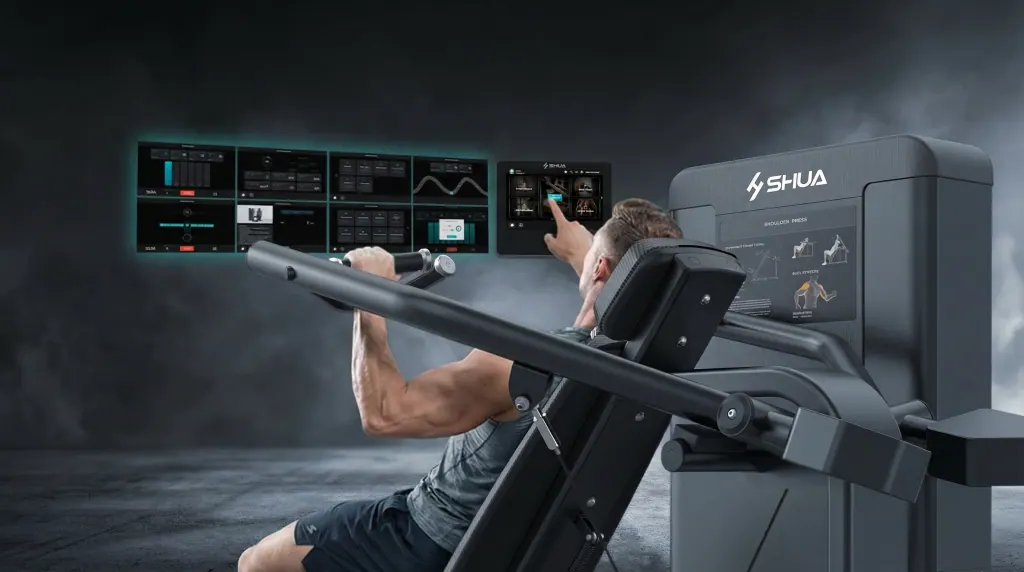
The Shift No Gym Owner Can Ignore
The commercial fitness industry is entering a new phase. Traditional strength equipment—once defined by durability and biomechanics—is no longer enough.
Today’s gyms face three core problems:
- Declining member retention
- Lack of differentiation
- Limited data visibility
Smart strength equipment is not a trend. It is the new infrastructure of modern fitness.
And the operators who adopt it early will dominate.
The Problem with Traditional Strength Equipment
Most gyms are still built around machines that:
- Provide no user guidance
- Offer no performance tracking
- Deliver static, repetitive experiences
The result:
- Members lose engagement
- Trainers spend more time correcting basics
- Facilities struggle to justify premium pricing
This is not a product problem.
It is a system problem.
The Rise of Smart Strength Equipment
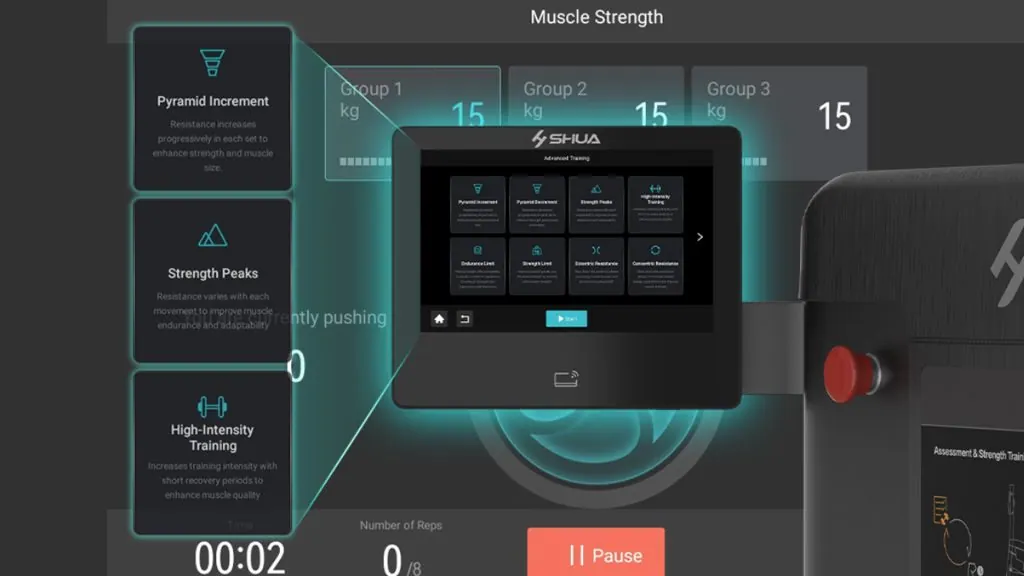
Smart strength equipment introduces a new layer:
- Digital interfaces
- Real-time feedback
- Connected ecosystems
- Data-driven training
Modern systems now integrate:
- Performance testing
- Guided programmes
- Adaptive resistance control
For example, SHUA’s 98 Series integrates a servo-based intelligent system, enabling precise, inertia-free resistance and advanced training control.
This is a shift from:
Equipment → Experience → System
BioFit: Smart Strength Training Powered by AI
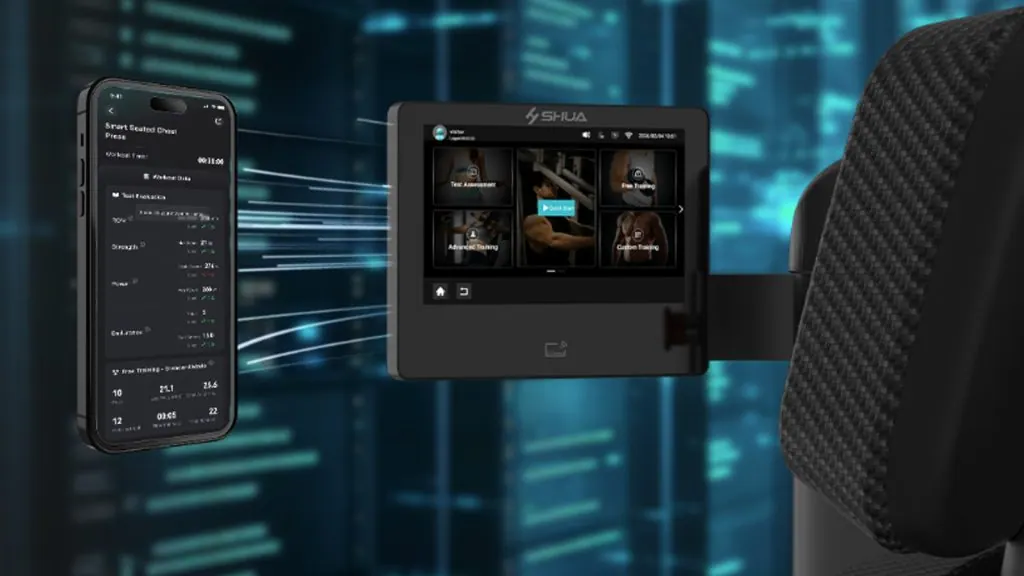
To understand the shift, focus on four core pillars:
1. Digital Interface
- Touchscreen guidance
- Real-time workout feedback
- Visualised training data
2. Intelligent Training System
- Pre-set programmes
- Adaptive resistance modes
- Personalised training paths
3. Data Tracking & Analytics
- Strength metrics tracking
- Performance benchmarking
- Progress visualisation
4. Connectivity
- App synchronisation
- Cloud-based data storage
- Cross-device ecosystem
Without these four, equipment is no longer competitive.To understand the shift, focus on four core pillars:
Introducing the 98 Apex Connect Series
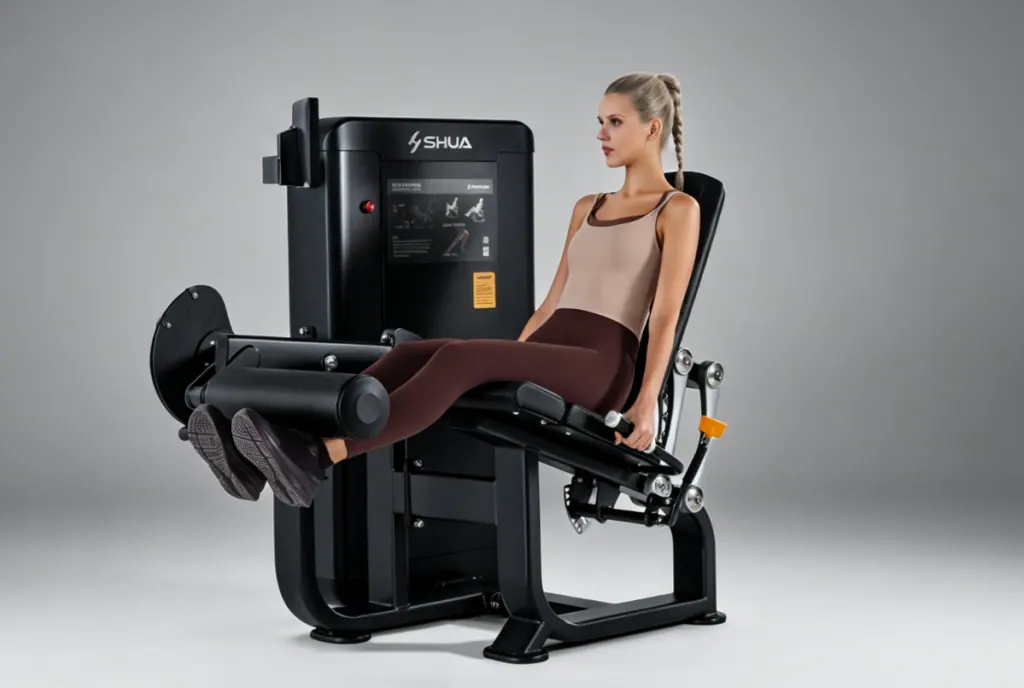
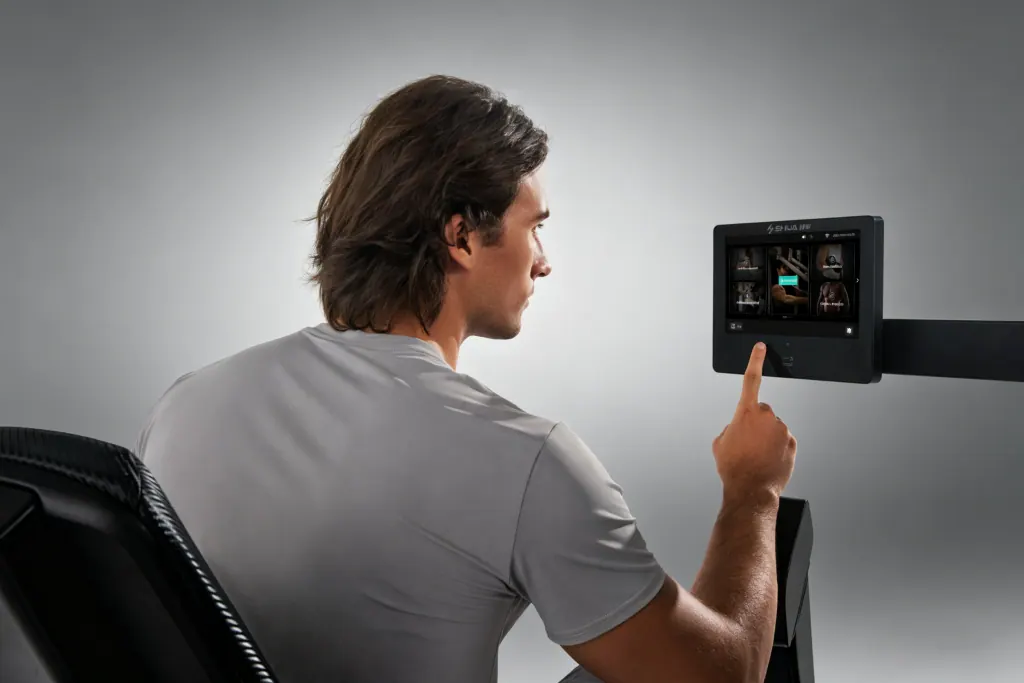
The SHUA Fitness 98 Apex Connect Series is built around one principle:
Strength training should be intelligent, connected, and measurable.
Key Capabilities:
- 10.1” embedded touchscreen
- BioFit intelligent system
- 6 resistance modes + 14 training programmes
- Real-time performance tracking
- App + system data synchronisation
Example:
- The SH-G9801 Chest Press enables customised workouts with guided programmes and live feedback, enhancing both training precision and user engagement.
This is not a machine upgrade.
It is a training system upgrade.
Why This Matters for Gym Owners
1. Increased Member Retention
Members stay longer when:
- Workouts feel personalised
- Progress is visible
- Experience is engaging
Smart equipment creates training stickiness.
2. Premium Positioning
Gyms equipped with digital systems:
- Justify higher pricing
- Attract serious users
- Stand out in saturated markets
3. Operational Efficiency
- Less reliance on trainers for basic guidance
- Faster onboarding for new members
- Reduced misuse of equipment
4. Data-Driven Decision Making
With connected systems, you can:
- Track equipment usage
- Identify popular zones
- Optimise layout and investment
How to Integrate Smart Equipment into Your Gym
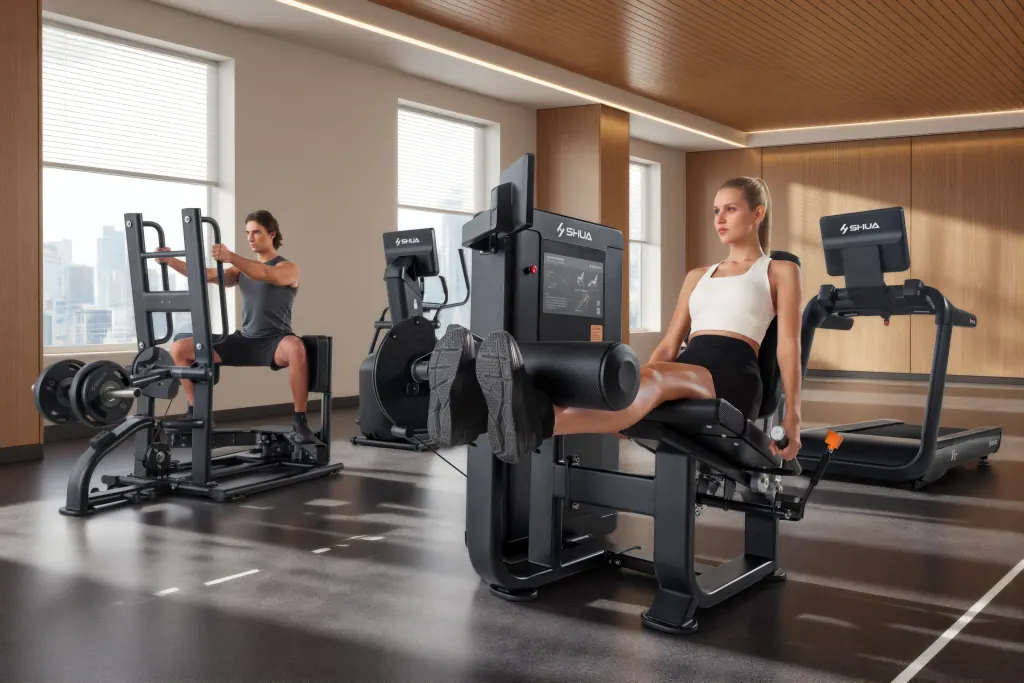
Do not replace everything at once.
Step 1: Start with High-Traffic Zones
- Strength area (core engagement zone)
Step 2: Focus on Key Movements
- Chest press
- Row
- Leg press
- Shoulder press
These deliver the highest ROI.
Step 3: Build a Connected Experience
- Combine strength + cardio data
- Integrate app ecosystem
- Create continuity for users
The Future of Commercial Fitness
The direction is clear:
- Equipment → Connected systems
- Training → Data-driven optimisation
- Gyms → Experience platforms
The 98 Apex Connect Series represents this shift.
And this shift is accelerating.
Conclusion
Smart strength equipment is no longer optional.
It directly impacts:
- Retention
- Revenue
- Brand positioning
The question is no longer:
“Should you upgrade?”
It is:
“How fast can you adapt?”